


Stop B3: Archaeology and Artefacts
Click on the above to listen to audio of the archaeological findings at Wesley Place
Early Melbourne life unearthed
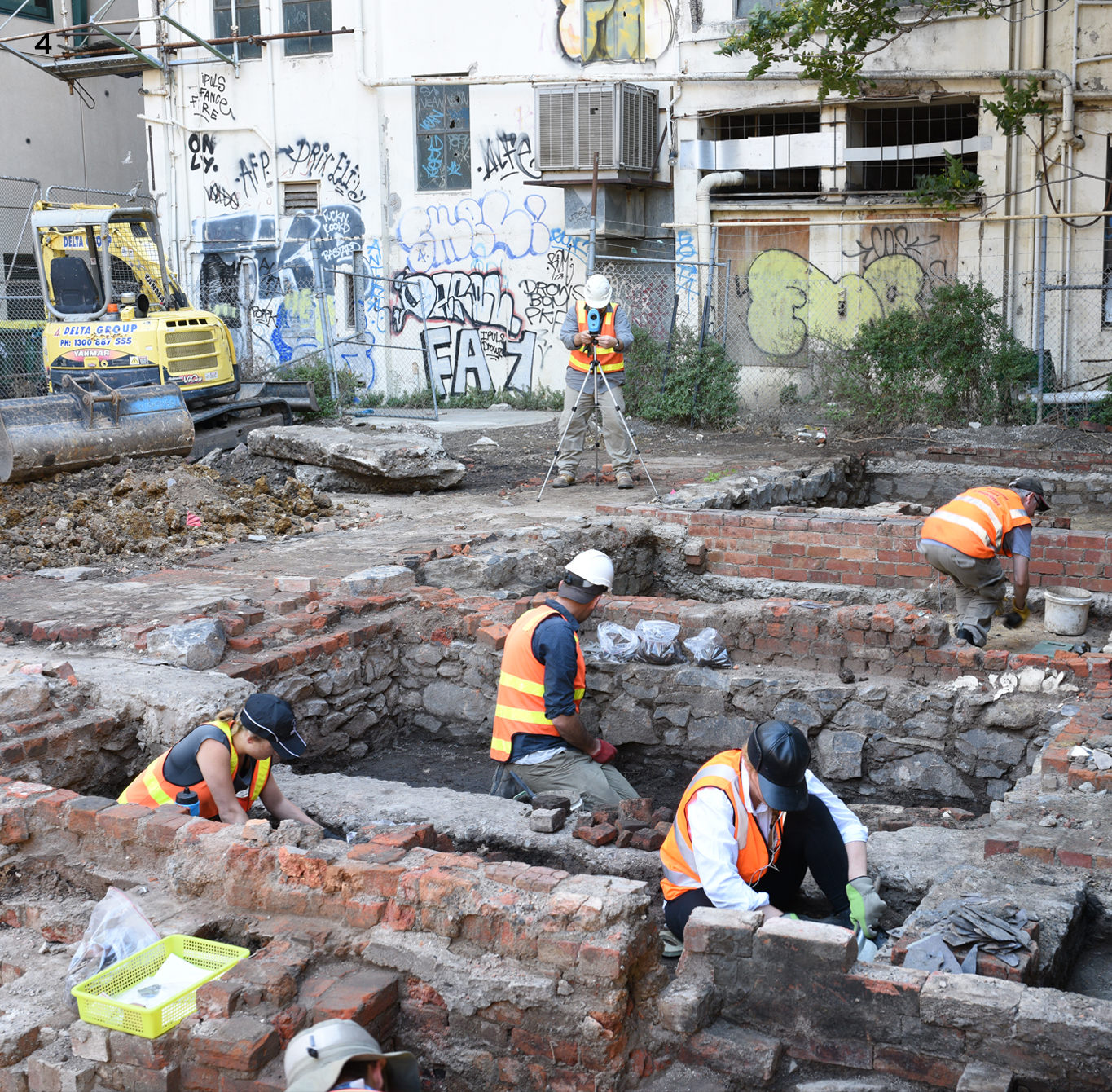
Archaeological excavations at Wesley Place uncovered evidence of more than 20 homes and businesses and over 100,000 artefacts dating from different periods of the nineteenth century. The findings provide a unique view into the changes that occurred in the area from the 1840s-and early 1850s, through the gold rush to the economic downturn of the 1890s. The small selection of artefacts on display represent different aspects of life in Jones Lane and the 1850s Wesleyan School House.
An Aboriginal flaked glass scraper found in one of the Jones Lane residences, is evidence of the ingenuity and cultural continuity of the Traditional Owners of the land, utilizing newly available materials for traditional tool production.
Preservation and revelation
In Victoria, sites of potential historical archaeological significance are protected by the Heritage Act 2017 and are listed on the Victorian Heritage Inventory. Overseen by Heritage Victoria, any works that may disturb an archaeological site need official consent. At Wesley Place, the consent required archaeological investigation of the Jones Lane area to the north-east of the site and the location of the original 1850s Wesleyan School House, located to the south-east of the church.
Dr Vincent Clark & Associates excavated these areas of the site in 2017 over an eight-month period. The investigations uncovered rich evidence of the site’s early history, with artefacts revealing how life in this part of the city was lived, from the 1840s, through to the 1890s. A selection of the artefacts have been returned to Wesley Place, where they are now on display.
More than 100,000 artefacts
More than 100,000 artefact fragments were collected during excavations. Some of the artefacts are highly significant based on the condition, representativeness and uniqueness of the object.
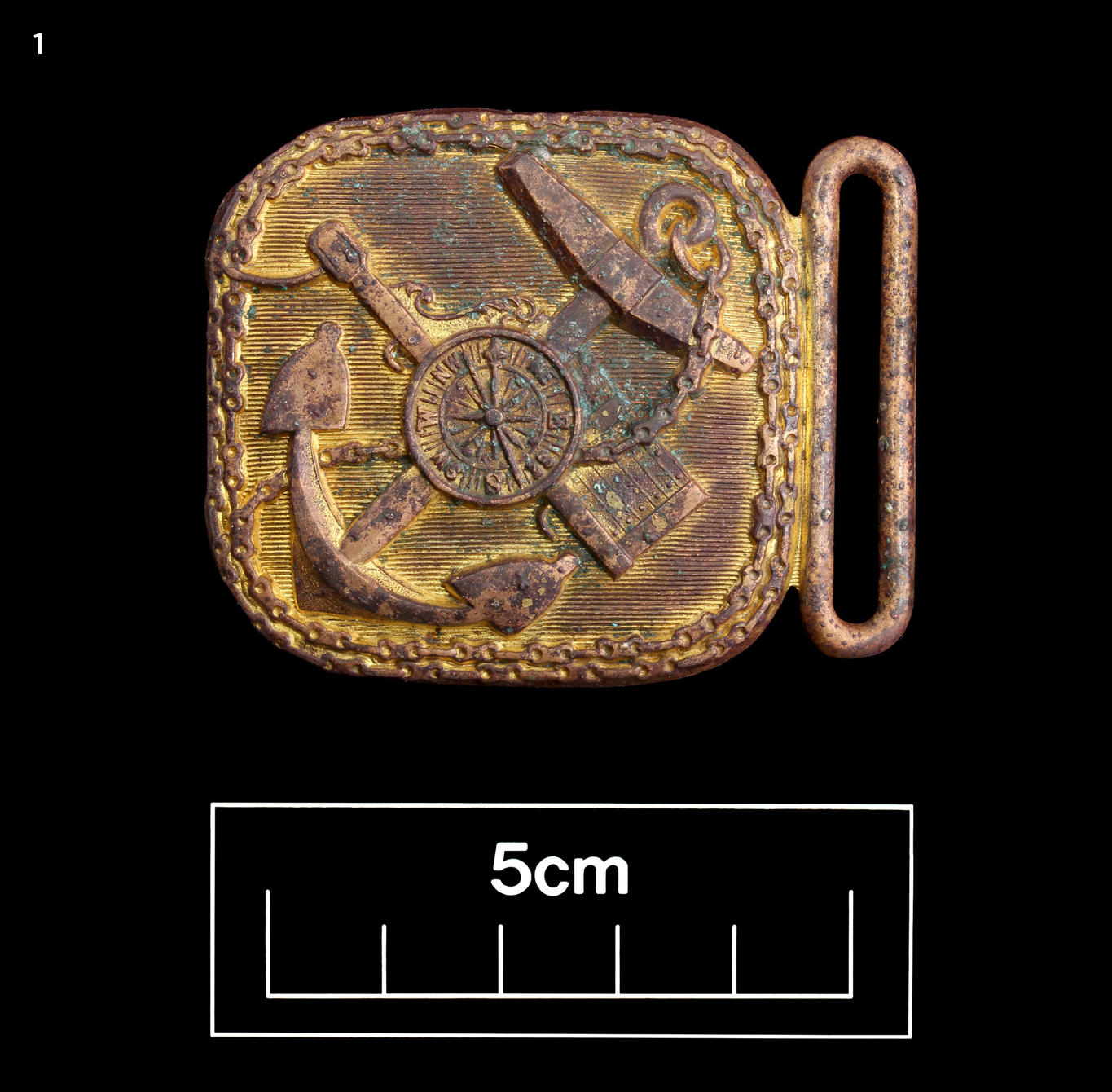
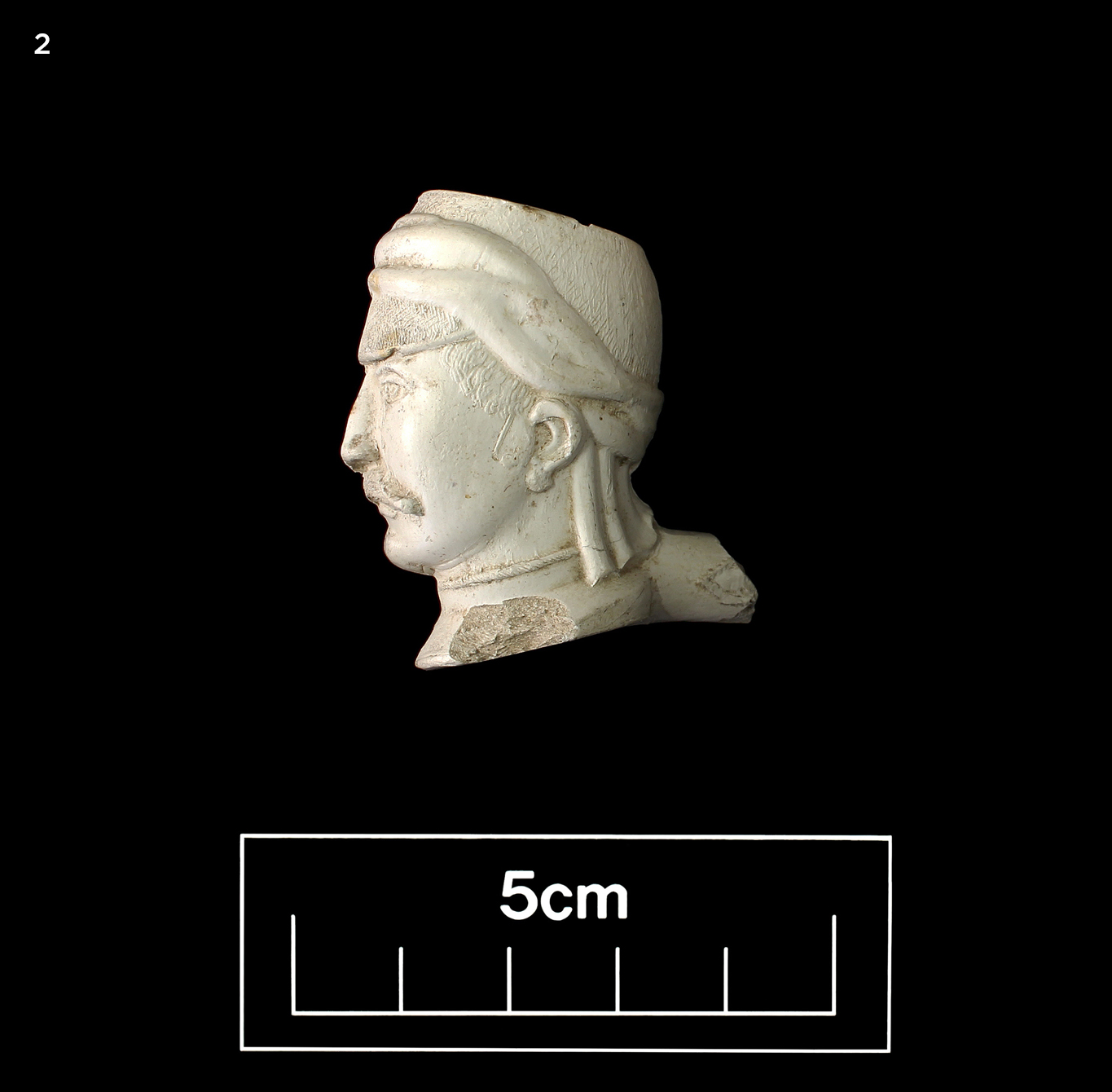
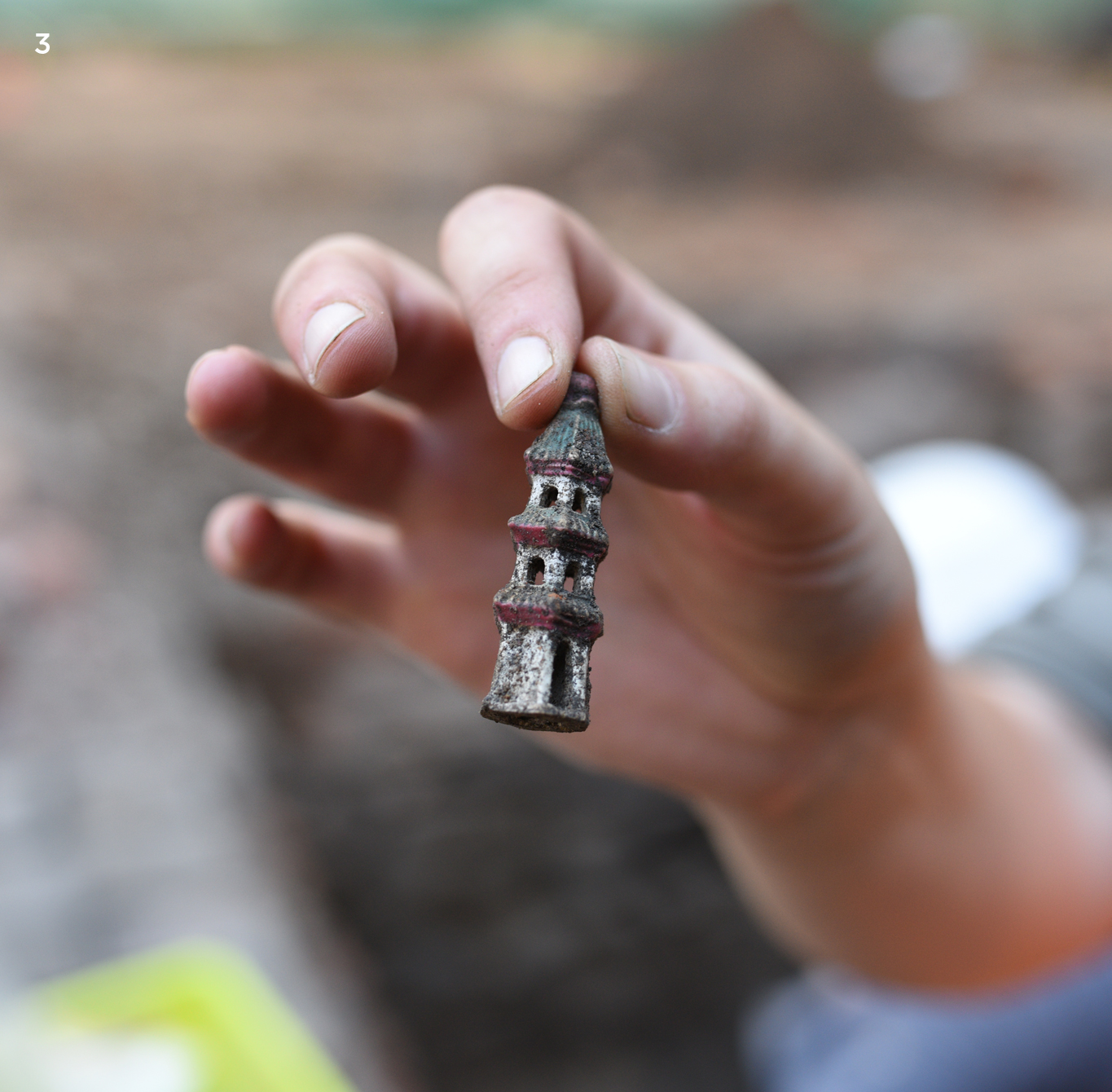
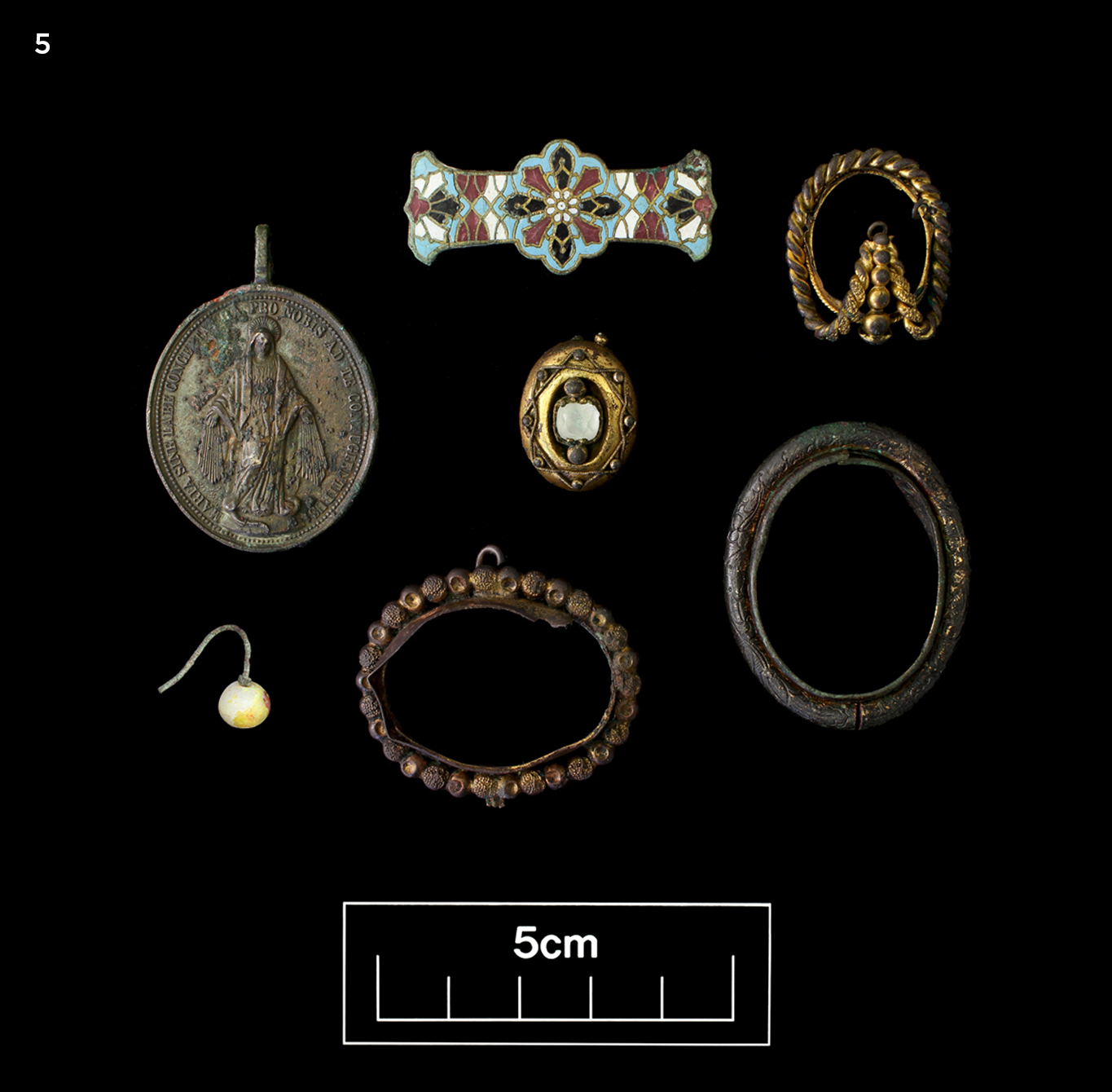
Artefacts recovered include; full glass bottles, ceramic jars, leather boots, clay pipes, slate pencils, dolls, coins and tokens, buttons, dress maker pins and tapes, personal items such as jewellery, household ornaments including porcelain figures and unique keepsakes such as a sperm whale tooth. A variety of ceramics were also collected and include Chinese porcelain cups and bowls as well as transfer-printed wares such as serving platters, teacups, saucers, storage containers and chamber pots,
The artefacts and residences discovered reveal a variety of living conditions and lifestyles. Artefacts range from the common to the extravagant and contribute to a complex picture of life in Little Lon, where working-class families lived alongside small businesses, as well those engaging in less legitimate activities.
To discover more about the archaeological dig visit and the artefacts on show in the lobby of 130 Lonsdale Street click here
Uncover more about the dig here
Image References
- Mariner’s belt buckle, copper alloy, November 1858, Jones Lane. Source: Dr Vincent Clark & Associates
- Bowl of a clay smoking pipe, the head of General Buller, Commander in General of British Forces during the Boer War, Jones Lane, c. 1880-1900. Source: Dr Vincent Clark & Associates
- Chinese ceramic pagoda statuette, Jones Lane. Source: Dr Vincent Clark & Associates
- Jones Lane archaeological excavations, 2017. Source: Dr Vincent Clark & Associates
- Jewellery from Jones Lane, deposited between 1855–1890s. Source: Dr Vincent Clark & Associates

